Retro Fencing SVG T-Shirt Design Vector Review
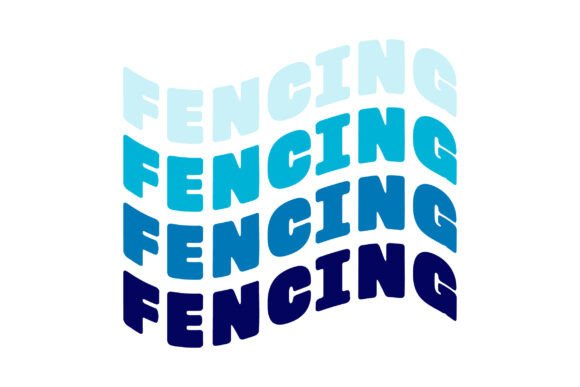
When I sit down to evaluate a new digital asset for my embroidery studio, I am rarely interested in just how "pretty" it looks on a screen. My focus is entirely on execution. Can this design survive the tension of a sewing machine? Will it hold up after twenty wash cycles? Does it translate well from a vector file into a tangible, high-value product? Recently, I pulled Retro Fencing SVG T-shirt Design Vector from the T-Shirt Designs category to test its viability for real-world commercial and personal projects. As an experienced designer reviewing this Graphics asset, I want to share what I found regarding its practical application, aesthetic appeal, and potential pitfalls.
First Impressions: Mood and Visual Personality
The moment you open the ZIP folder containing this digital embroidery file, the retro vibe is immediately apparent. The design leverages a nostalgic aesthetic that feels both playful and structured. For designers who specialize in custom apparel or boutique branding, this kind of distinct visual personality is gold. It does not feel like a generic clip-art vector; it has weight and character.
In terms of layout, the fencing motif provides strong geometric lines that are generally forgiving in embroidery. Unlike organic, flowing shapes that can distort if the fabric shifts, the straight lines and defined angles of a fencing theme offer stability. This makes it an excellent candidate for a sweatshirt embroidery project or a structured tote bag. The mood it creates is active yet vintage—a perfect fit for sports-themed gifts, summer craft fair merchandise, or even a unique wedding gift for a couple who shares a hobby.
Real-World Application: Where This Design Shines
I tested the conceptual workflow of this design across several common embroidery project scenarios. Here is where Retro Fencing SVG T-shirt Design Vector truly excels:
- Custom Apparel and Sweatshirts: The bold nature of the design translates beautifully to cotton blends. On a heather grey or navy sweatshirt, the contrast allows the design to pop without looking cluttered. It works particularly well as a chest-sized logo or a larger back print for a cohesive look.
- Tote Bag Design and Aprons: Canvas is a stable fabric, which means the stitch density of this design will likely render with high clarity. A tote bag design featuring this retro motif appeals strongly to the eco-conscious consumer base often found on Etsy. Similarly, placing this on a kitchen apron adds a touch of whimsy that elevates a basic utility item into a handmade product people actually want to keep.
- Baby Embroidery and Nursery Decor: While fencing might seem like a mature sport, the retro color palette often used in these vectors tends to be softer. When digitized correctly, it can work surprisingly well for baby onesies or nursery wall art, provided the scale is adjusted appropriately. It offers a gender-neutral option for parents looking for something beyond standard stars and clouds.
- Commercial Embroidery and Etsy Listings: For the Etsy seller or small shop owner, versatility is key. This design bridges the gap between athletic gear and casual fashion. It fits seamlessly into a collection of design assets aimed at creative entrepreneurs who need reliable, multi-use graphics.
Technical Considerations and Stitch Execution
No matter how good a vector looks, the devil is in the digitization. When evaluating this machine embroidery design, we must consider how different stitch types interact with the geometry.
The linear elements of fencing suggest that satin stitch will be heavily utilized for outlines, while the inner sections may require fill stitch or perhaps a combination of running stitch for texture. The success of this embroidery file depends largely on the thread colors chosen. High contrast is essential. If you are working with dark fabric, ensure your thread selection provides enough luminosity so the details do not get lost in the weave.
Furthermore, the hoop size required for this design will dictate where you can place it. If the design is large, it may require a 5x7 or larger hoop, limiting placement options on smaller items like baby embroidery cuffs or narrow cap fronts. Always check the bounding box of the vector before committing to a garment.
Where to Use With Caution
While this design has many strengths, it is not universally suitable. There are specific contexts where Retro Fencing SVG T-shirt Design Vector might struggle:
- Small Hoop Sizes: If you attempt to shrink this design too much for a tiny patch or a delicate accessory, you risk losing critical details. Tiny lettering or thin fence rails may merge together, creating a muddy appearance rather than a crisp image.
- Textured and Stretchy Fabrics: Avoid using this on highly textured fabrics like heavy tweed or very stretchy jersey knits unless you are using a high-quality stabilizer. The geometric lines of the design demand a flat, stable surface to maintain their integrity. On curved surfaces like caps, the distortion can make the fencing look bent or unnatural.
- Dense Stitch Areas: If the original digitization uses dense fill stitches, the final product may feel stiff. This is a concern for garments that need to remain soft to the touch, such as premium baby clothes or luxury loungewear.
- Frequent Washing: For items that will undergo heavy laundering, such as gym towels or work aprons, ensure the underlay stitches are robust. Poor stabilization can lead to puckering over time, damaging the professional look of your finished product.
Practical Designer Notes for Success
To ensure Retro Fencing SVG T-shirt Design Vector performs flawlessly in your next batch of orders, follow these practical steps:
- Test on Scrap Fabric: Never run a production run without a test stitch-out. Use scrap fabric that matches the weight and type of your final garment.
- Check Thread Color Contrast: Lay your thread choices against the fabric before starting. Black thread on black fabric is invisible; white on light yellow may wash out. Aim for clear distinction.
- Review Stitch Density: Zoom in on the vector. Are there areas that will require excessive layers of thread? If so, consider simplifying the design digitally or adjusting the stitch settings to reduce bulk.
- Inspect Small Details: Look closely at corners and intersections. Do they look clean? If not, you may need to adjust the digitization or accept that those details will not render perfectly.
- Use Proper Stabilizer: The choice of stabilizer (cut-away vs. tear-away) is crucial. For woven fabrics, tear-away might suffice, but for knits, a cut-away stabilizer is non-negotiable to prevent shifting.
- Confirm Licensing: Before selling any commercial embroidery items, verify the license terms included in the ZIP folder. Ensure you have the right to sell physical goods made from this digital embroidery file.
Final Verdict
Retro Fencing SVG T-shirt Design Vector is a solid addition to any designer’s library. It offers a unique blend of nostalgia and structure that translates well to various textiles. Its strength lies in its adaptability—it can serve as a focal point for a personalized gift, a subtle detail on a handmade product, or a bold statement on custom apparel. By paying attention to fabric choice, stitch quality, and proper stabilization, you can turn this vector into a high-quality, marketable asset. For the craft business owner or the dedicated hobbyist, this design provides the visual punch needed to stand out in a crowded marketplace, provided it is executed with care and precision.