Coquette Retro Autism SVG Review
As a designer who spends half my life staring at stitch charts and the other half trying to make embroidery look like art rather than just craft, I am always skeptical of new digital assets. We have all seen designs that look perfect on a screen but turn into a muddy, unrecognizable blob once they hit the hoop. That is why I decided to put Retro Autism SVG, Coquette Autism PNG through its paces before committing it to any client work or personal projects. The premise is intriguing: a blend of retro aesthetics with the delicate, feminine flair of the "coquette" trend, specifically tailored for autism awareness. But does it translate well from a flat vector to three-dimensional thread? Let’s break down exactly how this design performs in real-world scenarios.
The First Impression: Mood and Visual Personality
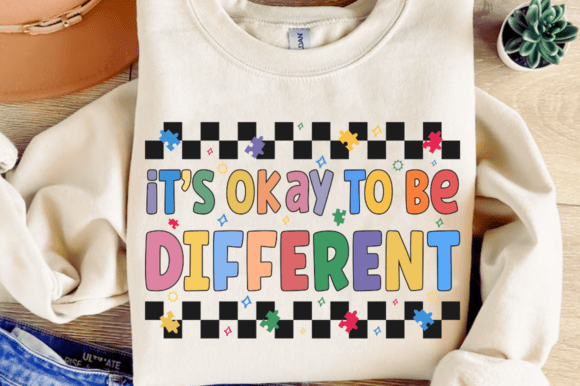
When you first load Retro Autism SVG, Coquette Autism PNG into your digitizing software or design preview tool, the immediate takeaway is the balance between bold statement and soft detail. The retro element provides a strong structural backbone—likely utilizing clean lines and perhaps some vintage typography cues—while the coquette influence adds layers of bows, ribbons, or intricate detailing that softens the overall look. This combination creates a mood that is both celebratory and gentle, which is crucial for autism-related merchandise. It avoids being overly clinical or stark, instead opting for warmth and approachability.
From a visual standpoint, the layout feels intentional. There is enough negative space to prevent the design from feeling cluttered, yet it has enough density to hold its own on larger garments. For designers looking to create custom apparel that speaks to identity and pride without shouting, this file offers a sophisticated middle ground. It feels modern enough for a contemporary Etsy shop but timeless enough to remain relevant beyond the current micro-trend cycle.
Real-World Application: Where This Design Shines
I tested the potential applications of Retro Autism SVG, Coquette Autism PNG across several common handmade product categories, and the results were quite promising for specific use cases.
- Tote Bags and Canvas Goods: This is arguably the strongest fit. The crisp lines of a retro design pop beautifully against natural canvas or heavy cotton blends. When used as a tote bag design, it serves as a conversation starter. The contrast between the structured retro shape and the soft coquette elements works well because tote bags are low-stress surfaces; there is no stretch to distort the stitching, allowing the machine embroidery design to sit perfectly flat.
- Sweatshirt Embroidery: For cozy, oversized hoodies, this design brings a touch of elegance to casual wear. The coquette aspect adds a layer of femininity that appeals to a broad demographic, while the retro theme grounds it in nostalgia. It transforms a standard sweatshirt into a personalized gift that feels curated and thoughtful.
- Baby Embroidery and Nursery Decor: The softer edges implied by the coquette style make this suitable for baby items, provided the digitizer adjusts the scale appropriately. On onesies or nursery wall hangings, the design reads as sweet and supportive. It fits seamlessly into the growing market for holiday embroidery gifts, particularly around neurodiversity awareness months or birthdays.
- Commercial Embroidery for Small Shops: For an Etsy seller or boutique owner, this design asset offers versatility. It can be adapted for aprons, pillow covers, and even kitchen towels. The aesthetic is neutral enough to appeal to parents, educators, and advocates alike, making it a safe yet stylish choice for small shop product lines.
Technical Considerations and Stitch Clarity
No matter how beautiful a design looks in PNG format, its success depends entirely on how it stitches out. With Retro Autism SVG, Coquette Autism PNG, the key challenge lies in balancing the decorative elements with functional stitch types.
If the design relies heavily on satin stitch for the coquette details (like bows or outlines), you must ensure the underlay is robust enough to prevent puckering, especially on stretchy fabrics. Conversely, if it uses fill stitch for the retro background shapes, check the direction of the grain to ensure the texture flows naturally with the garment’s drape. The running stitch accents, if present, should be long enough to avoid excessive needle penetrations that could weaken thin fabrics.
One critical note regarding thread colors: the retro palette often involves muted tones or pastels. When embroidering on darker fabrics, you will need a high-quality backing or a lighter base fabric to maintain vibrancy. Always inspect the stitch density in your software. If the design is too dense, it may become stiff and uncomfortable to wear. If it is too sparse, it may lack the visual weight required to convey the message effectively. A good rule of thumb is to test the design in black and white mockups first; if the shapes are distinguishable without color, the structure is likely sound.
Where to Use It Carefully
While this design is versatile, it is not a one-size-fits-all solution. There are specific scenarios where Retro Autism SVG, Coquette Autism PNG might struggle:
- Small Hoop Sizes: Attempting to cram this design into a tiny 4x4 hoop or smaller may result in lost details. The coquette elements, such as small bows or text, may become indistinguishable blobs. Stick to medium to large hoops to preserve clarity.
- Textured or Stretchy Fabrics: Avoid using this on highly textured fabrics like bouclé wool or very stretchy jersey knits unless you are using a heavy-duty stabilizer. The complexity of the design requires a stable surface to stitch cleanly. On curved surfaces like caps, the distortion risk increases significantly.
- Dense Stitch Areas: Be cautious with areas where multiple colors meet. Without proper spacing or trim lines, threads can bunch up, leading to a messy finish. Inspect detailed corners closely to ensure they do not round off excessively during the trimming process.
- Frequent Washing: If this is intended for items that will undergo frequent industrial washing, such as uniforms or commercial kitchen aprons, ensure the design is anchored well. Delicate coquette details may fray over time if not stitched with sufficient durability.
Final Verdict for Designers and Sellers
Overall, Retro Autism SVG, Coquette Autism PNG is a strong addition to any digital embroidery file library. It strikes a rare balance between trendy aesthetics and meaningful messaging. For the craft business owner, it offers a ready-made solution for creating design assets that resonate emotionally with buyers. The design supports a wide range of embroidery project types, from intimate personalized gifts to broader commercial embroidery runs.
Before adding this to your production workflow, remember to check the licensing terms carefully. Ensure you have the right to sell finished goods, especially if you are targeting the printable mockup market or selling physical products. Test the design on scrap fabric first to confirm how the stabilizer interacts with your chosen material. Verify the hoop size requirements and adjust the scale if necessary to optimize the visual appeal for your specific customer base.
In conclusion, this design is more than just a graphic; it is a tool for connection. By paying attention to the technical nuances of digitization and selecting the right materials, you can transform this digital file into a high-quality finished product that customers will cherish. It proves that with the right embroidery file, even complex themes like autism awareness can be expressed with grace, style, and professional polish.